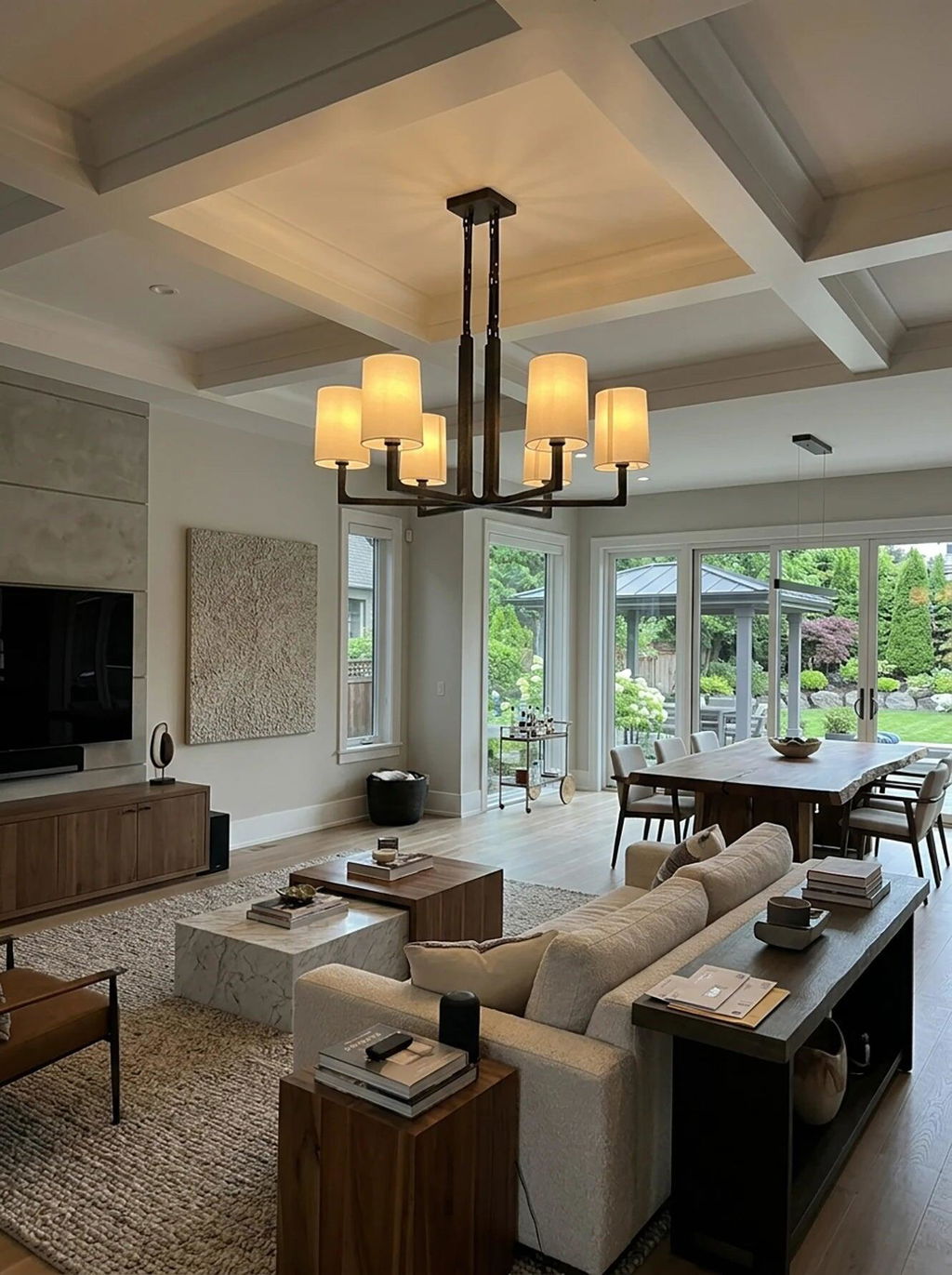
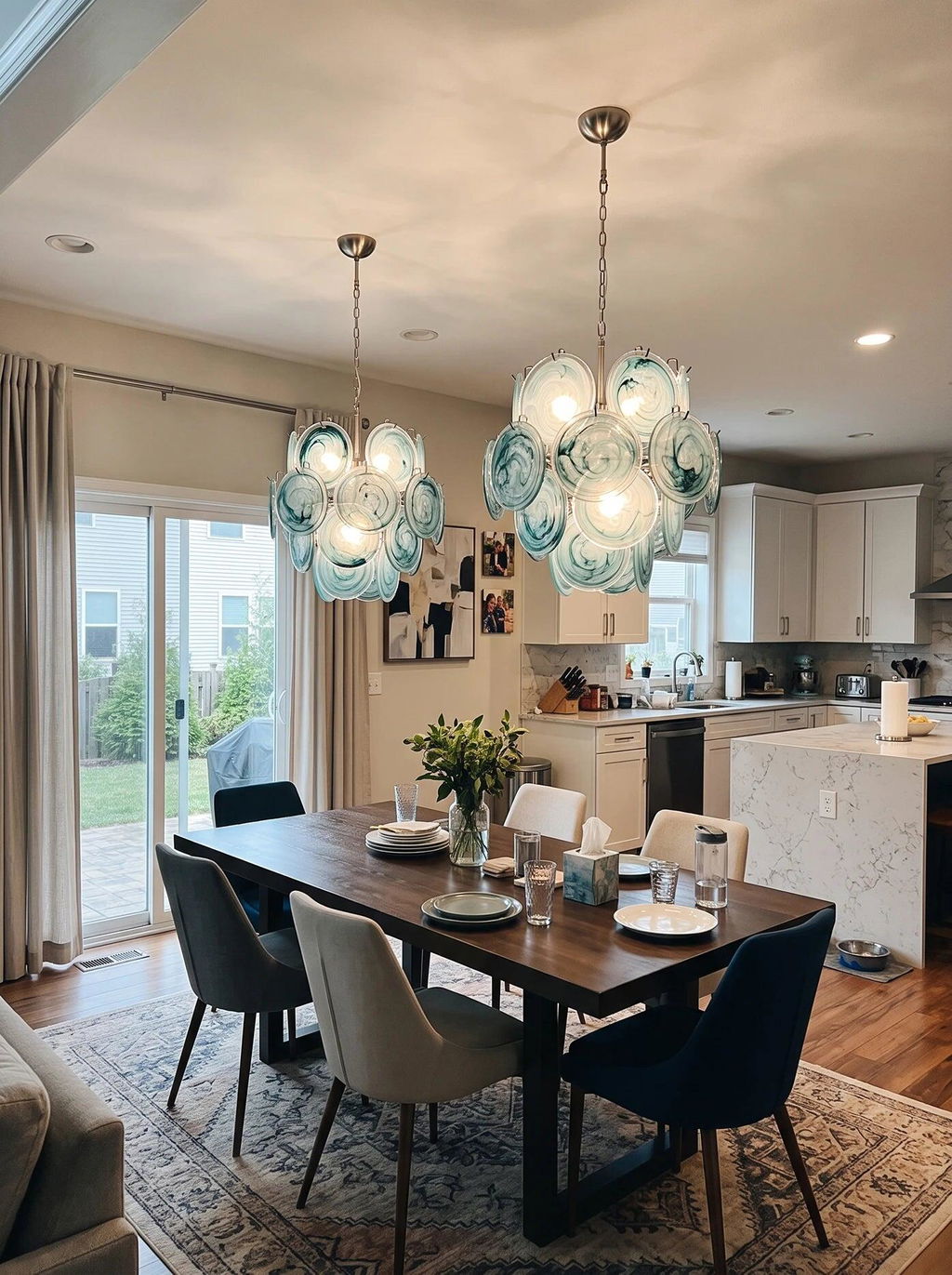
Designed for atmosphere
Light that changes the room
Statement lighting with sculptural form, considered materials, and an unmistakable presence.


01SHOWCASETap to play
02INSTALLATIONTap to play
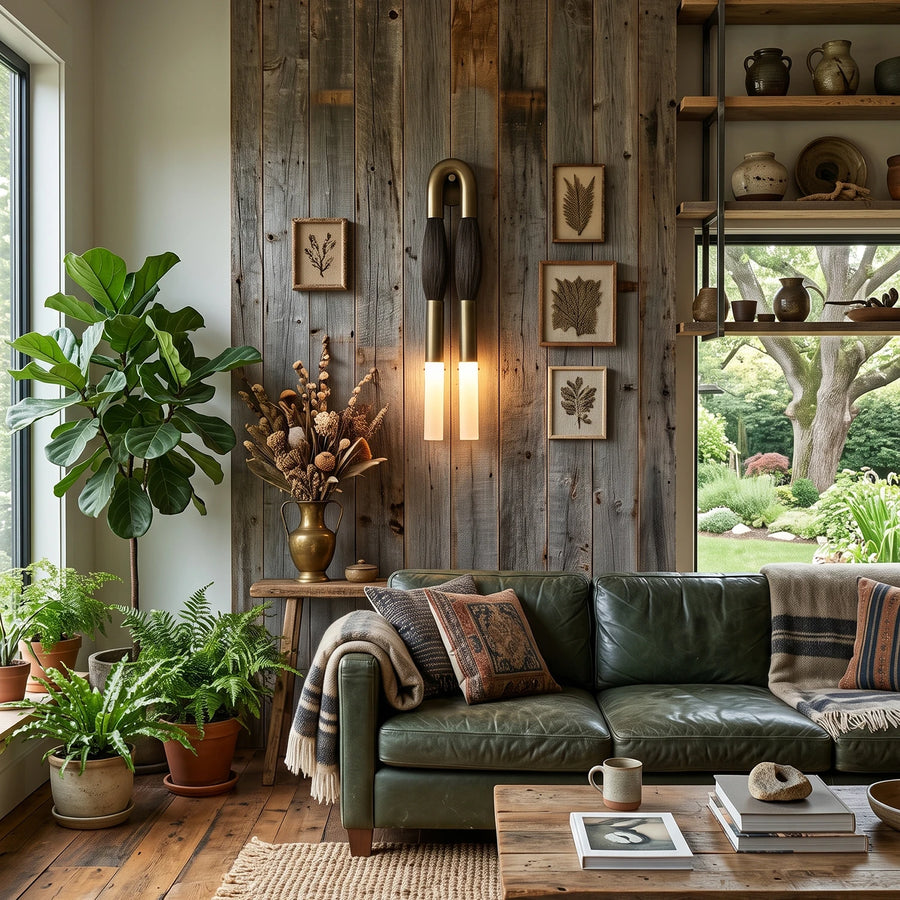
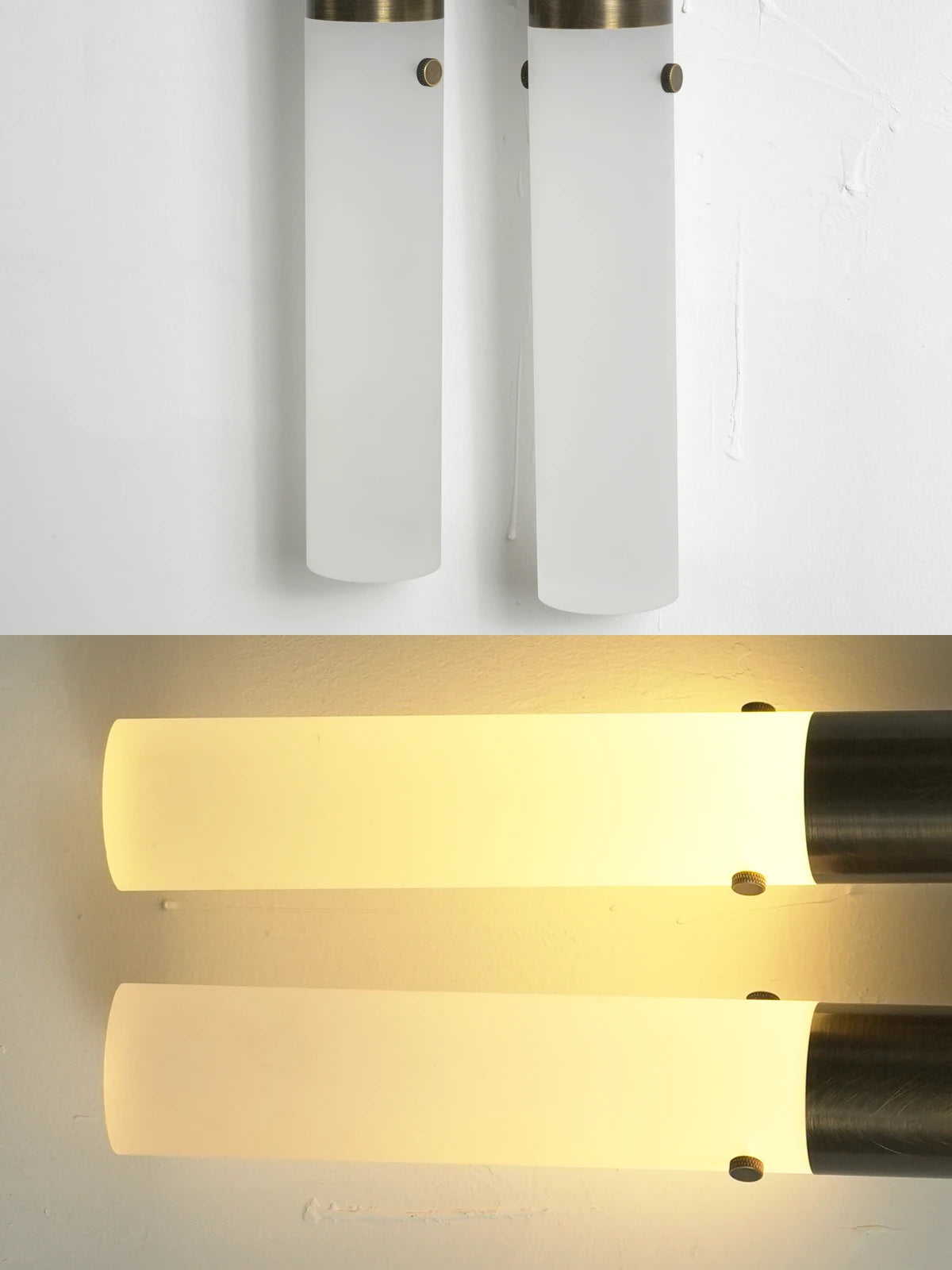
Sable Arc Wall Sconce, A brass arc bent over the wall, two spindles of horsehair, and two acrylic tubes that light only at the very bottom. Only the lowest third illuminates. Everything above it — the brass, the ferrules, the horsehair — is lit indirectly, catching light from below the way any object in a room does. That is why the brass reads as warm metal and the hair reads as hair, instead of both disappearing into a glare. The horsehair is the only soft material on the piece and the only one that moves. Individual strands catch the light and lift slightly as you walk past — something brass and acrylic cannot do.
Select the size marked (*2) — two together come at a better price than buying them separately.
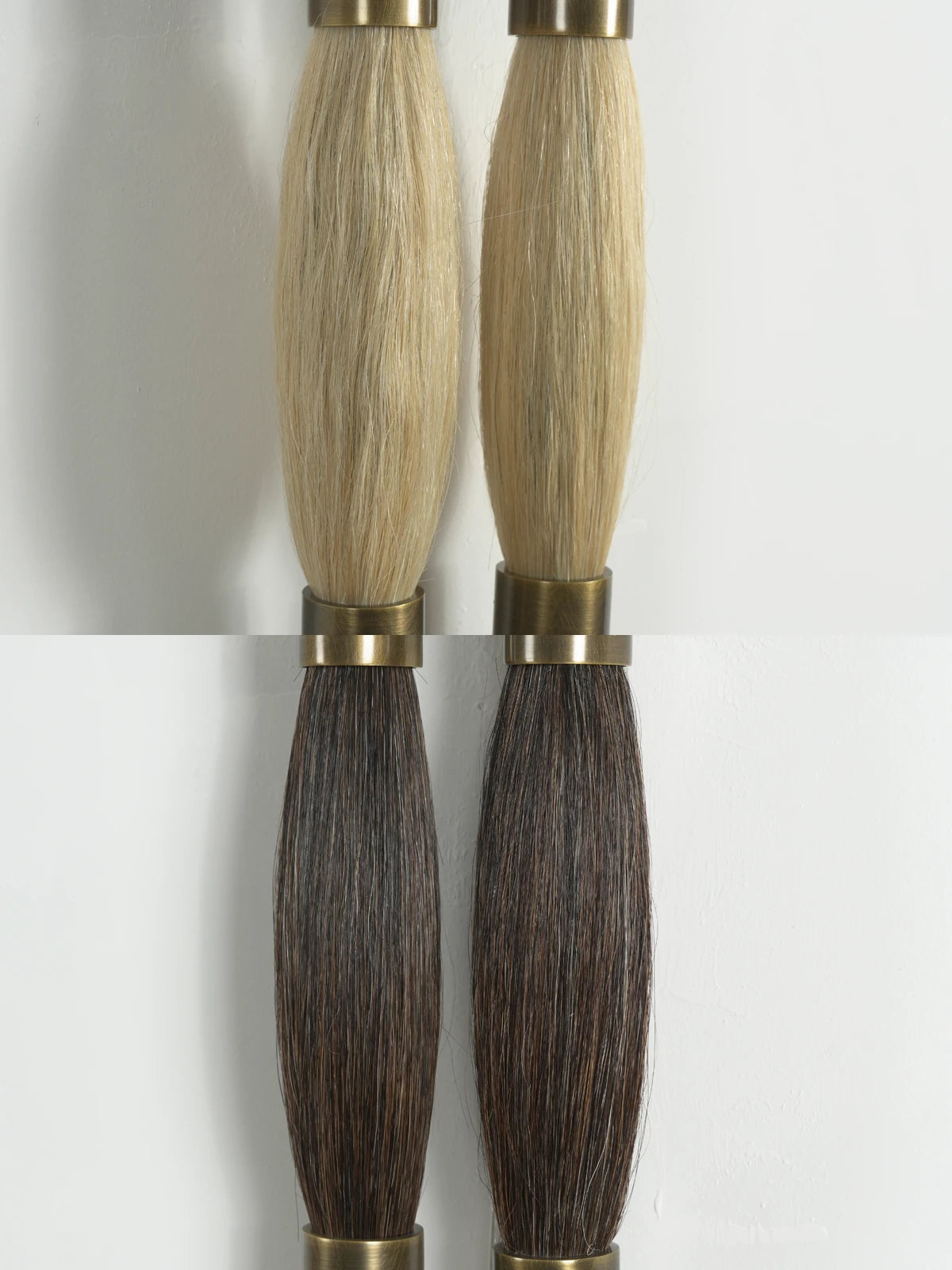
 Natural horsehair — strand by strand
 The brass arc and ferrule, in detail
Not a synthetic fibre and not a printed texture. Look closely and you can see individual strands, and a few escaping the bundle — which is what natural hair does and what no moulded material reproduces.
The arc is one bent tube, and the ferrules are screwed rather than glued. Nothing here is moulded to look like metal — the second photograph shows the hardware at full size so you can judge it yourself.
Hang it where nothing brushes past. Horsehair flattens where it is repeatedly touched and does not spring back — so an empty wall, a bedside, or a doorway with real clearance. Not a narrow hall, and not beside a coat hook.
Horsehair is cleaned the way hair is. Use a soft brush, or a hairdryer on cool and low, working downward from the brass ferrule toward the tip. Twice a year is plenty.
Never water, never a cloth. Water mats the fibre and a cloth drags dust further into the bundle. And if a strand works loose, leave it — cutting it makes the bundle look trimmed, and a loose strand is simply what natural hair does.
The fixture itself does not restrict dimming functionality—this depends on the bulb used. Brightness can be adjusted if a dimmable E26 bulb and a compatible dimmer switch are installed; however, if the standard bulb is used, dimming is not possible, regardless of the type of wall switch.

Measured from the bottom edge, not the centre — see below.
Everything above it is there to be looked at.
Most wall lights are a shade with a lamp inside it, and the whole object glows. This one does something else. The two tubes at the very bottom are the only part that illuminates — the arc, the ferrules and the horsehair above them never light at all.
That single decision is what makes it work. Because the light sits at the lowest point, it washes down the wall rather than out into the room, so a pair draws two soft columns of light rather than two bright discs. And everything above is lit indirectly, catching light from below the way an object in a room does — which is why the brass reads as warm metal and the hair reads as hair, instead of both disappearing into a glare.
It also means the piece has two lives. Switched off in daylight it is a shape on a wall: a brass line bent over itself, two dark spindles, two pale tubes. Switched on in the evening it becomes a light. Most fixtures are a dark object for sixteen hours a day and hope you do not look; this one is asking you to.
The horsehair is the reason it holds attention at either time. It is the only soft material on the piece and the only one that moves — individual strands catch the light and lift slightly as you walk past, which brass and acrylic simply cannot do. Against two hard materials, one soft one is doing all the work.
Two colourways, and they are not the same fixture in a different shade. Sable is dark, nearly black, and reads as a drawn line against a pale wall — graphic, deliberate, the thing you look at. Flax is pale and warm, close enough to the brass that the whole piece settles into one tone — texture rather than contrast. One is a statement. The other is a surface.
Not within the rated wattage — but stay inside it. Use no more than [__] W, and choose LED rather than halogen: an LED at the same brightness runs far cooler.
Also keep it out of direct sunlight. Sun fades natural fibre faster than lamplight ever will.
Like hair. A soft brush, or a hairdryer on cool and low, working downward from the ferrule to the tip. Twice a year.
Never water, never a cloth — water mats it and a cloth drags dust deeper in. If a strand works loose, leave it: cutting it makes the bundle look trimmed.
Not sure how to wire it, how high to hang it, or whether you need an electrician? Our full guide walks through every step for US homes.
Switch off at the breaker and confirm before you touch any wiring.
Make sure your junction box is standard, secure, and rated for the weight.
Black to black, white to white, ground to ground — the US standard explained.
Mounting heights and clearances for sconces, pendants, and chandeliers.
Most of our range is stone, glass and metal. These two, like this sconce, put a soft material where the light is — and that changes what the light does.


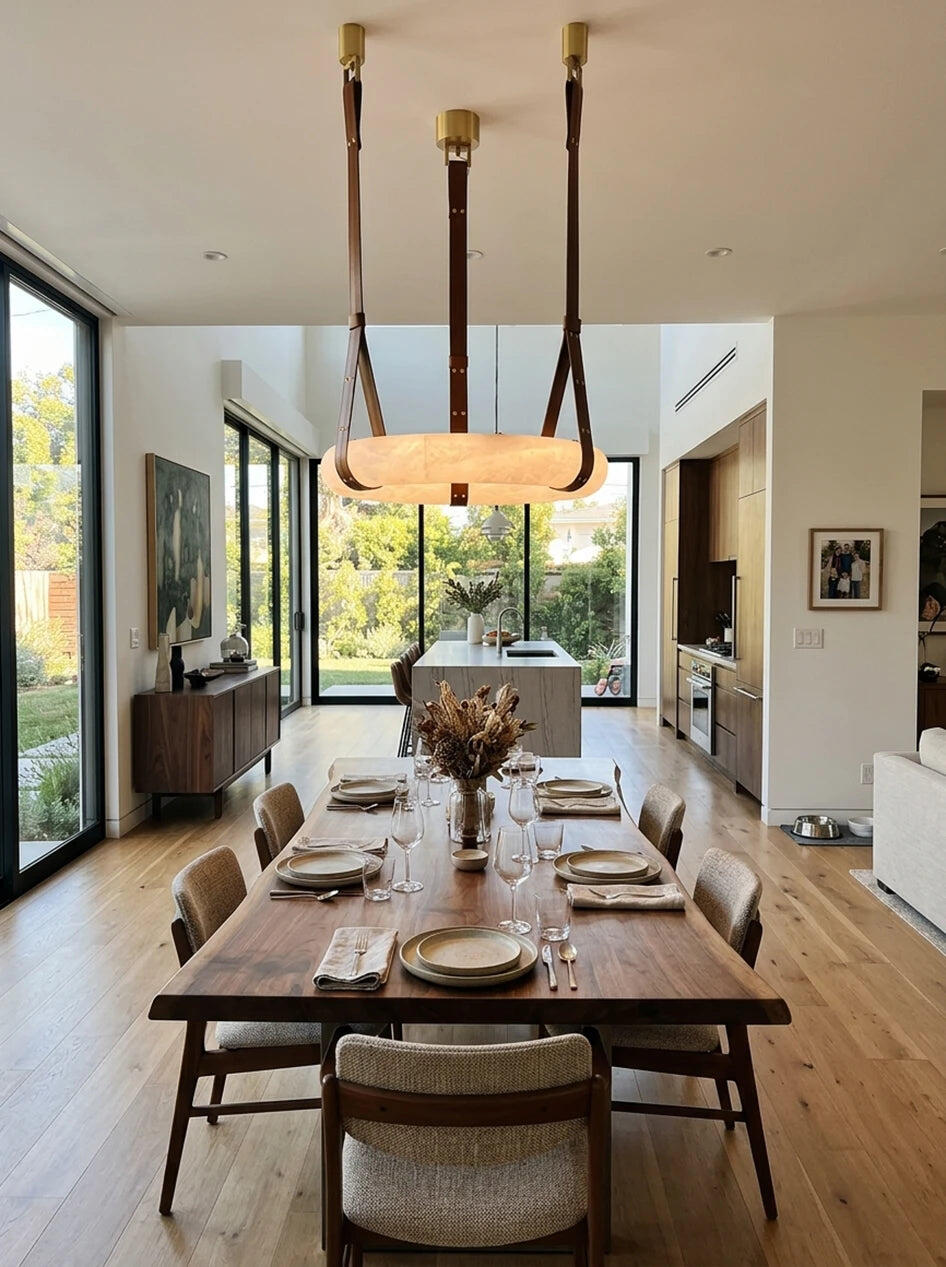
The same idea overhead. Fabric shades soften light the way horsehair softens a wall — there is no bare bulb to look at from a seat at the table, and the hammered brass frame catches light the way the arc on this sconce does. Round and linear sizes.

Soft materials at floor level — a wide fabric or woven shade on a rattan-wrapped stem, so there is no shiny pole beside your chair. It is also the only one of the three that needs no electrician: it plugs in. Three shades to choose from.
The price includes tax, and free standard shipping within the U.S. is provided.

Free Shipping on all orders
Returns accepted within 30 days
Payment Security
Designed for atmosphere
Statement lighting with sculptural form, considered materials, and an unmistakable presence.
Designed with intention

Designed for the moments between


Vidir Lighting
10% off all lighting on orders over $100
Every order over $100 is 10% off, applied automatically at checkout. Leave your email to see new alabaster, travertine and glass pieces from our workshop first.
We never share your email. Unsubscribe any time.
You're subscribed
Thank you for joining
We'll send new arrivals and sale news your way. Your 10% off is applied automatically at checkout on orders over $100.
Shop all lighting