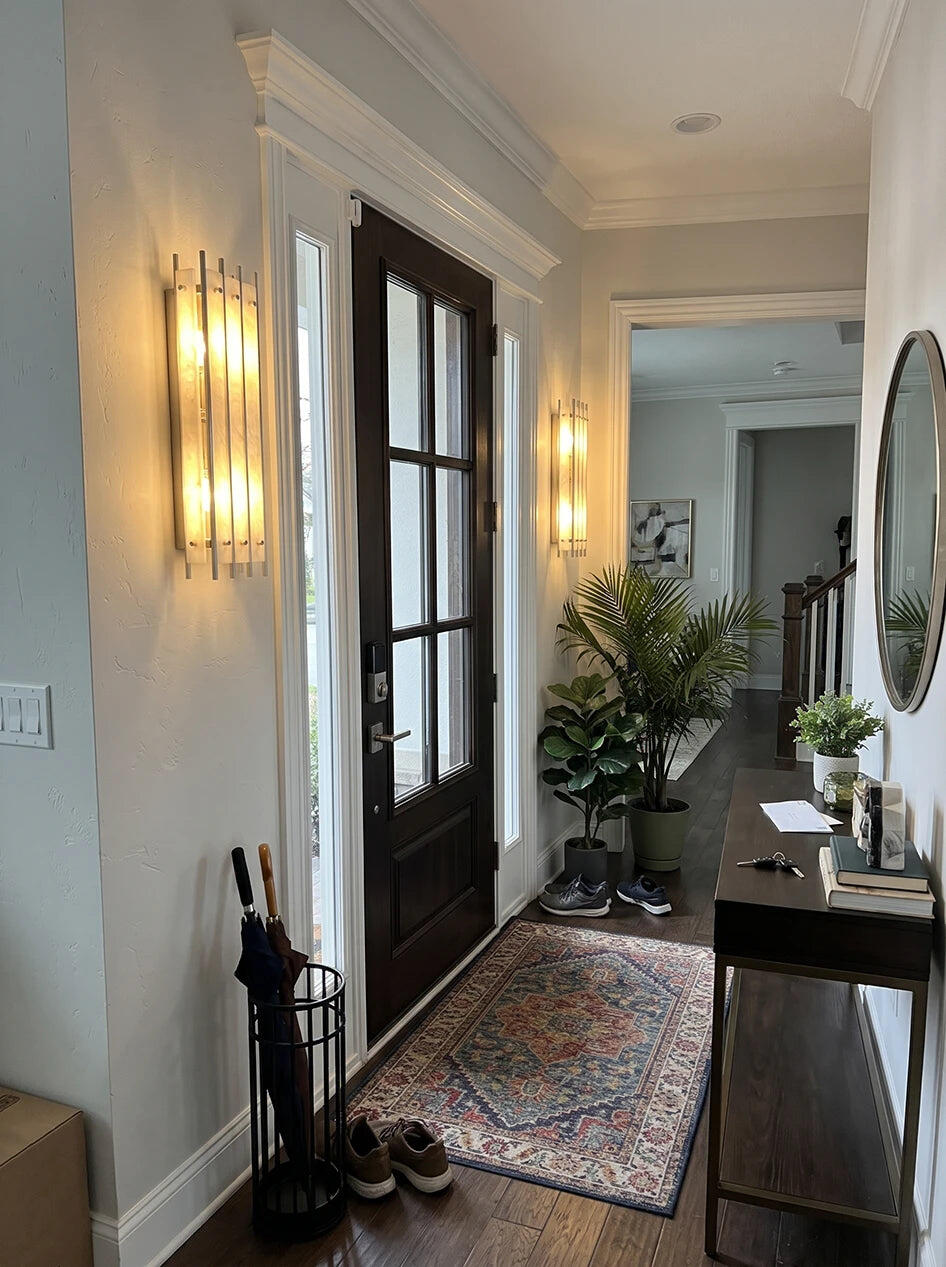
A new perspective
Light changes everything
Discover sculptural lighting designed to bring warmth, character, and atmosphere to every room.
Black Friday: 15% off orders over $100, up to 20% off. Applied automatically!
Free standard shipping, all orders support 30-day returns

Every chandelier, pendant and lamp we make is on sale. Your discount is applied automatically at checkout, no code needed.


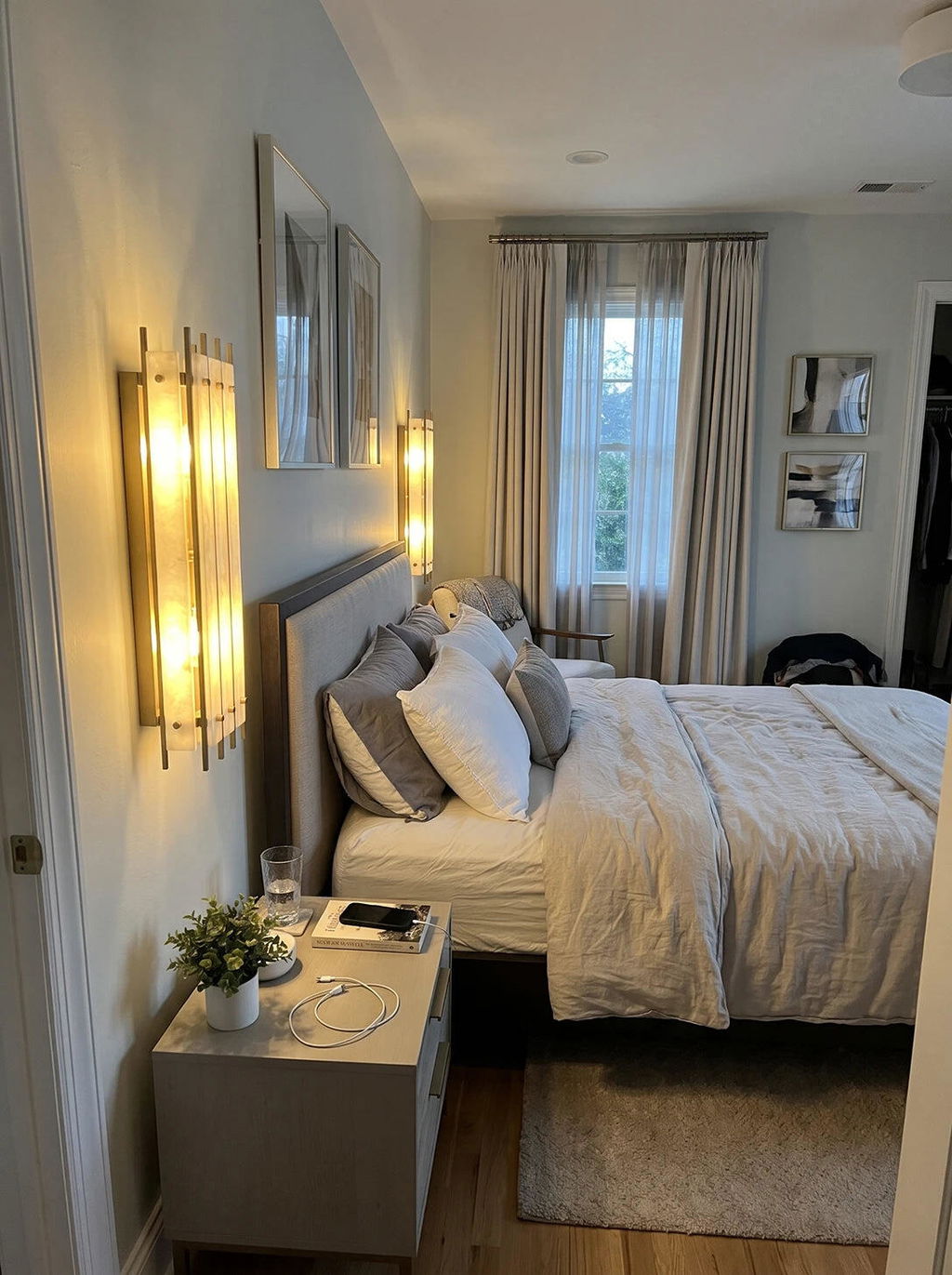
Odile Alabaster Cone Wall Sconce. Unlit in daylight, it reads as pale, closed stone — almost a sculpture on the wall, and quiet enough to live with in a room you use every day. Lit, the veins surface like ink in water and the whole cone glows from within. The two states are genuinely different objects, which is unusual for a wall light and most of the reason to own one.
Choose the single and the cone points downward, washing the wall beneath it — the version for a bedside, a stair wall, or a hallway where you want light on the floor rather than in your eyes. Choose the double and a second cone points upward from the same joint. Light goes up the wall and down it at once, and the silhouette becomes symmetrical — an hourglass rather than a drop. This is the version for a mirror (light reaching your face from both above and below rather than casting shadows down it), and for an entry or a stair wall where you want the fixture itself to register as much as the light.
No two pieces of stone are ever the same
Alabaster is a natural stone, so every piece carries its own veining and subtle variation in color. The fixture you receive may therefore differ slightly from the images shown.

Select the size marked (*2) — two together come at a better price than buying them separately.
The fixture itself does not restrict dimming — it depends on what you fit. Brightness adjusts only with a dimmable G9 bulb paired with a compatible two-way triac dimmer. With a standard bulb, no wall switch will dim it.
One cone, aimed down. Washes the wall beneath it and leaves the space above dark — which is what you want where the light should land on a floor or a surface, not in your eyeline.

Two cones from one joint. Light travels up the wall and down it at once, and the silhouette becomes symmetrical. The one to choose at a mirror — light from above and below avoids shadows under the eyes and chin.

Count the parts on a wall light sometimes. It is usually more than you would guess.
Most decorative sconces are assemblies — a backplate, an arm, a shade, a finial, a collar, a set of screws all doing their best to look intentional. Each piece exists because the piece before it needed covering up, and the result is a fixture that reads as busy from six feet away and as fussy from two.
Odile has three parts, and every one of them is holding something up.
That restraint is what leaves the stone as the subject. Each cone is turned from natural alabaster — quarried, not manufactured — so the veining belongs to one block and no other. And because the shade is carved from a single piece rather than assembled from sections, the pattern runs uninterrupted from top to bottom: no seams, no repeats, no point where one piece of rock meets another. You are looking at a continuous slice of something that took a very long time to form.
Unlit in daylight, it reads as pale, closed stone — closer to a small sculpture than to a light fitting, and quiet enough to live with in a room you use every day. Lit, the veins surface like ink in water and the whole cone glows from within. Those are two genuinely different objects on the same wall, which is unusual for a sconce and most of the reason to own one.
The metal stays out of the way deliberately. Against white plaster the brass reads as a thin warm line; against travertine or limewash it almost disappears into the wall. What you see is a piece of stone standing off a wall, and a shadow beneath it. On a textured wall in afternoon sun, that shadow is half of what the fixture is doing — which is why it is worth mounting on a wall with something to catch it.
Every plate is different, so the one that arrives won't match these photographs exactly. That is what real stone does.
If you want it paler and more even, or with more grey movement, or warmer in tone — tell us before you order and we'll select the stone to suit. Send a photo of your room and we'll pick something that sits with it.
What we can't do is copy a picture. We can choose a direction, not reproduce a pattern. Email support@vidirlighting.com

The things people ask before they order.
Not sure how to wire it, how high to hang it, or whether you need an electrician? Our full guide walks through every step for US homes.
Switch off at the breaker and confirm before you touch any wiring.
Make sure your junction box is standard, secure, and rated for the weight.
Black to black, white to white, ground to ground — the US standard explained.
Mounting heights and clearances for sconces, pendants, and chandeliers.


Layered stone on a brass frame, so the light builds through several planes instead of arriving from one. The overhead piece to pair with sconces already on the walls.
Choose this if the room needs a centre as well as edges — a dining table, an entry, a room read from the doorway.

Squares of stone stacked into a lit column, with the seams left visible so the veining changes as it climbs. It plugs in — no junction box, no electrician, and it moves when the room does.
Choose this if a corner needs light and there is no ceiling point anywhere near it.
The price includes tax, and free standard shipping within the U.S. is provided.

Take 15% off this light
Estimated price at checkout: $480.25 $565.00
Applied automatically at checkout. No code needed. Ends December 5.
See all Black Friday deals →Free Shipping on all orders
Returns accepted within 30 days
Payment Security
Natural stone lighting

The Vidir lighting edit
Most shades block light and let it out at the edges. Yet, this stone-textured lampshade manages to achieve exactly that.
Alabaster is translucent. Switch it on and the whole shade lights up from within, veining and all, instead of glowing only where the bulb sits. There is no bright spot to look at, because the light source is the entire surface.
The veining was decided underground, long before anyone cut it. Every shade carries its own pattern and its own faint colour shift — so the piece that arrives is not the piece in the photograph, and that is the point.
Resin and acrylic imitations go amber and brittle within a few years of sitting next to a warm bulb. Stone does not age that way. The shade you unpack is the shade you will have in twenty years.
Designed for better living
Use warm white (2700K). The stone itself has an off-white, creamy tone; cool light passing through it makes it look grayish and dingy, whereas warm light brings out that honey-like hue seen in the photos.
Alabaster is a natural stone that absorbs water and cleaning agents, which can leave permanent stains. Disconnect the power, let the bulb cool down, and then wipe the fixture with a soft, dry cloth—do not use water or spray cleaners.
The density of the stone is far greater than that of a glass shade of the same size; ensure the ceiling's load-bearing capacity is sufficient for safety.

A new perspective
Discover sculptural lighting designed to bring warmth, character, and atmosphere to every room.
 Our product
Alabaster Cylindrical Chain Chandelier
Our product
Alabaster Cylindrical Chain Chandelier
Alabaster is translucent, so the light travels through the stone rather than escaping at the edges — the whole shade glows, veining and all. Every piece carries a pattern that was decided underground, which is why no two are alike.
Resin is cast in moulds, so the "veining" repeats from one shade to the next and the light passes through evenly with no depth to it. It also ages differently: sitting close to a warm bulb, resin tends to amber and grow brittle within a few years.
THE ART OF ALABASTER
The natural texture of alabaster brings a warm, mineral quality to the space. (Please contact us if you require a specific texture.)

A pure white texture reminiscent of fresh snow—warm, smooth, and refined.

Deep, inky patterns flow across a white base.

A dynamic pattern resembling a bolt of lightning streaking across the sky.

Fine, intricate cracks evoking the aesthetic beauty of a sheet of ice at the moment it shatters.

A pattern as light and airy as falling snowflakes, with every single flake unique.
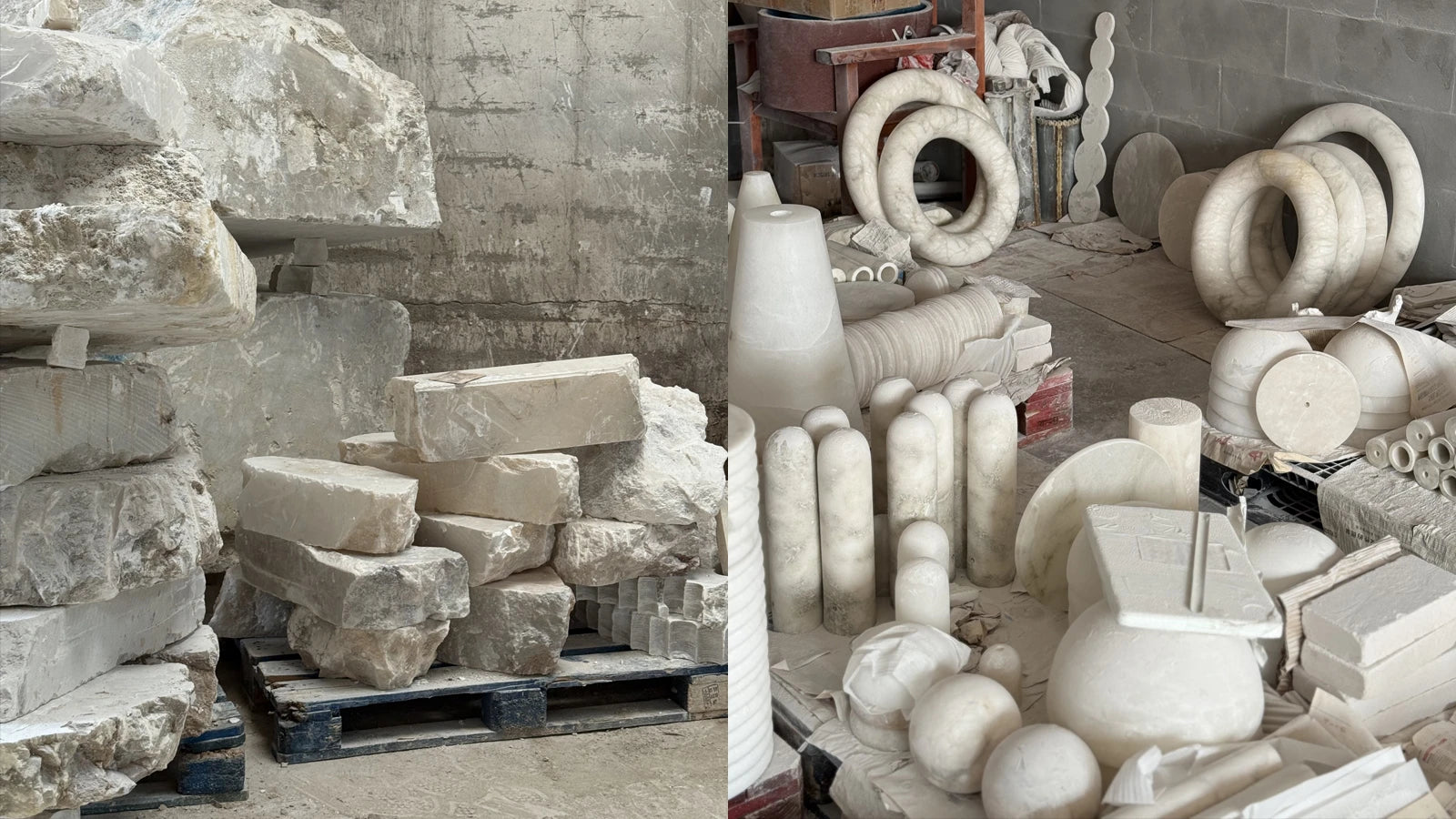
Material · Method · Light
Every texture tells a story of natural light and patient craftsmanship.
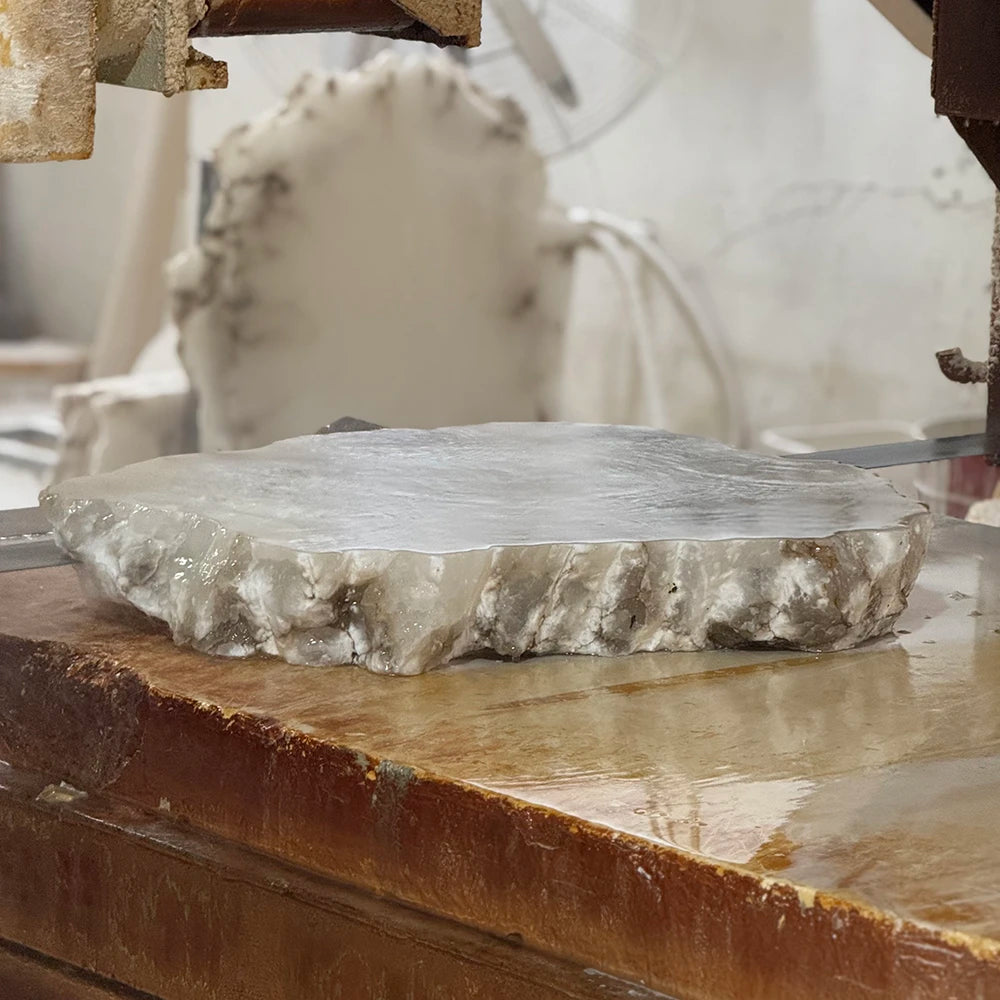
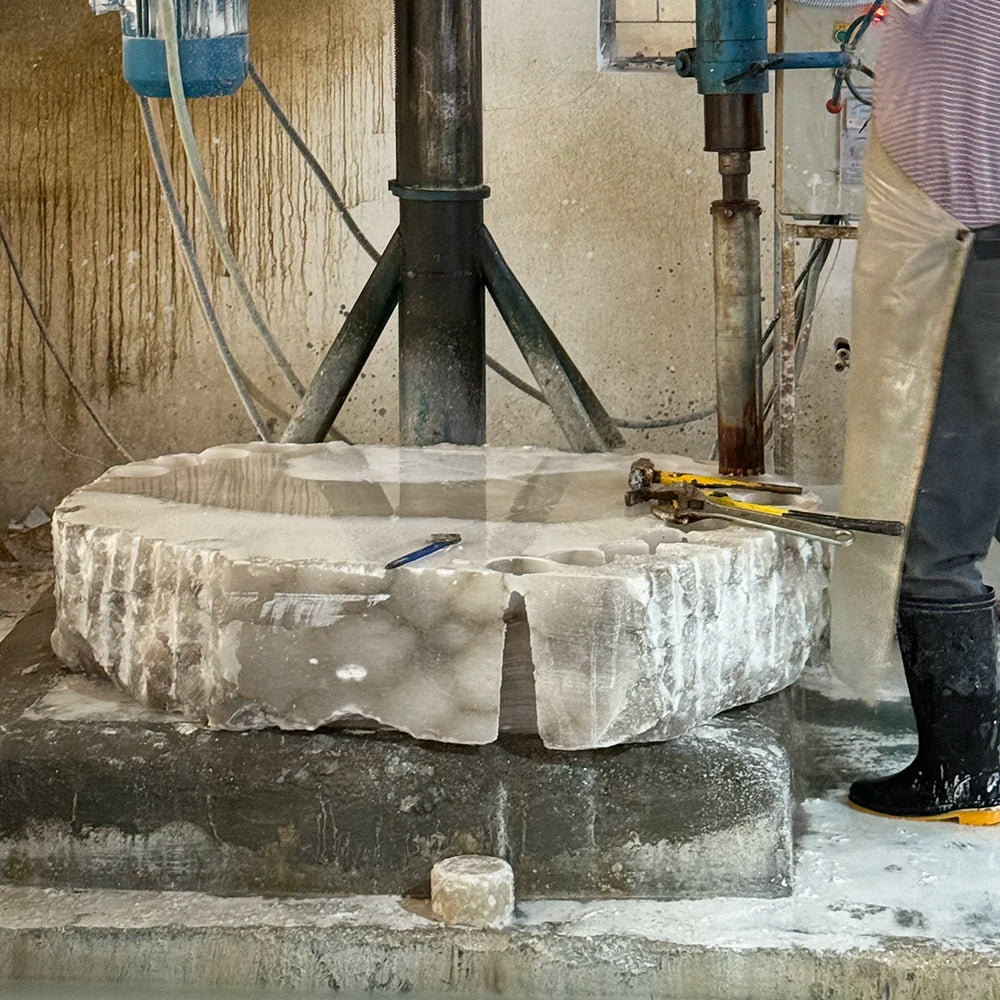
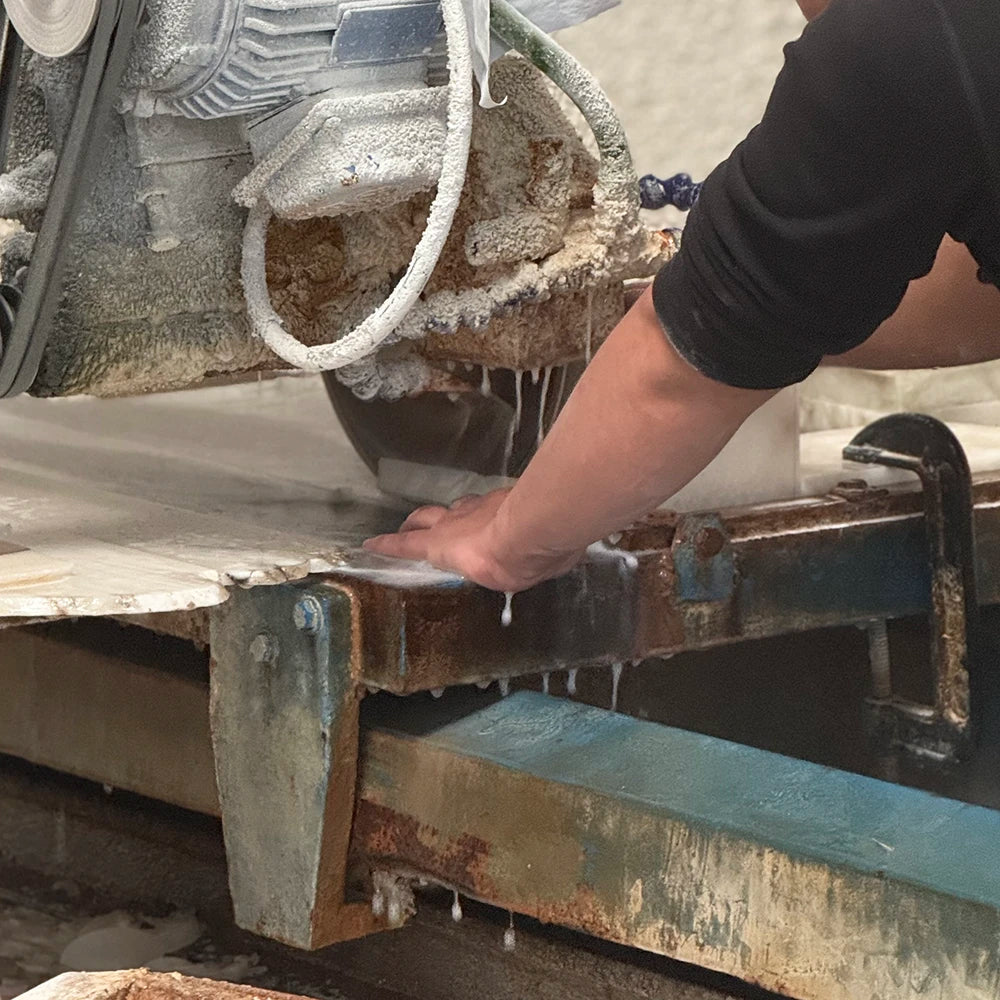
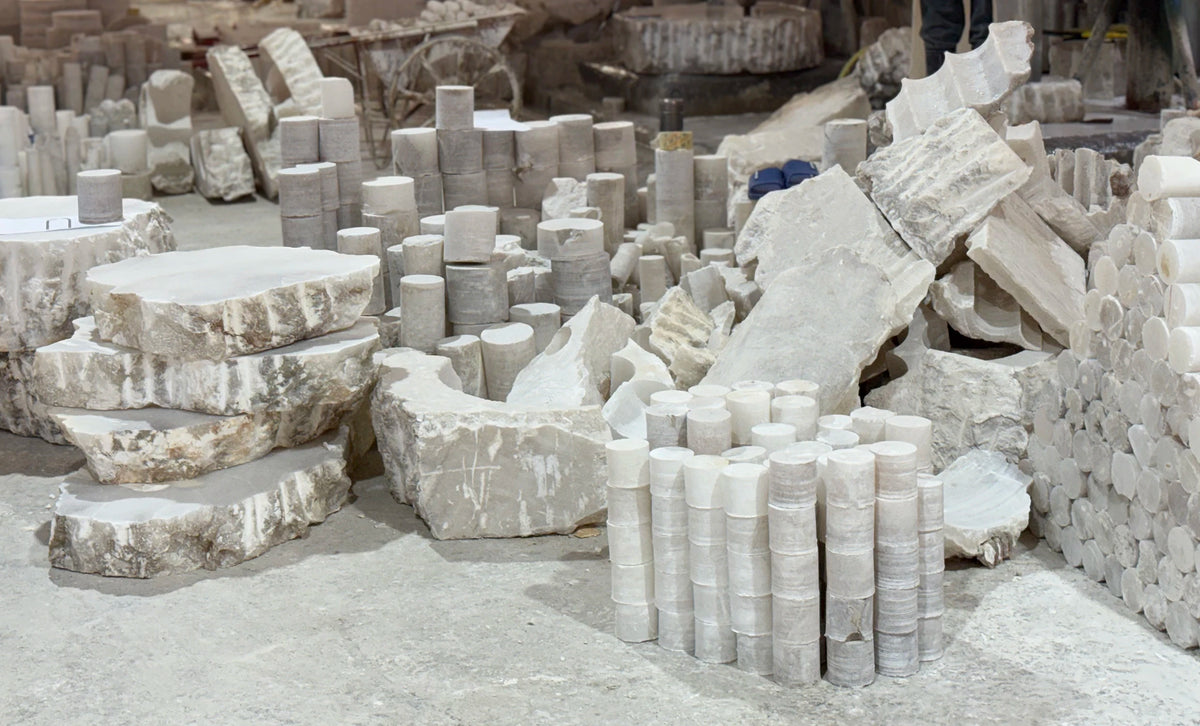
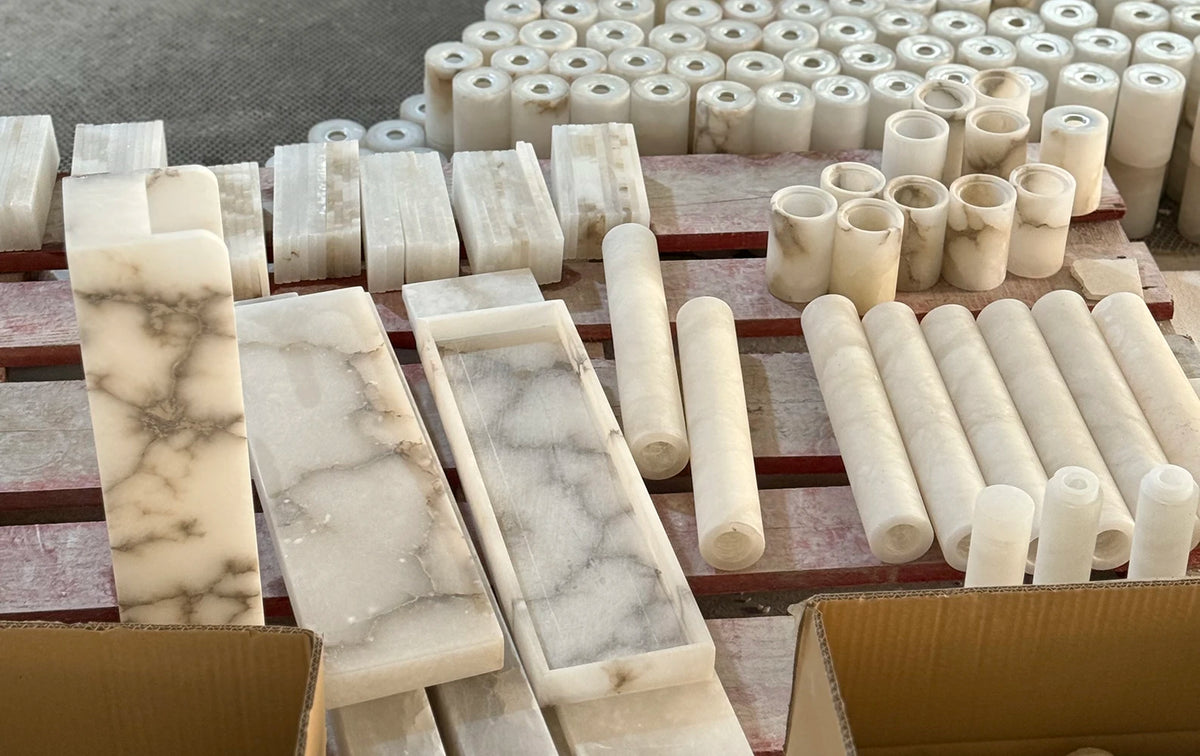
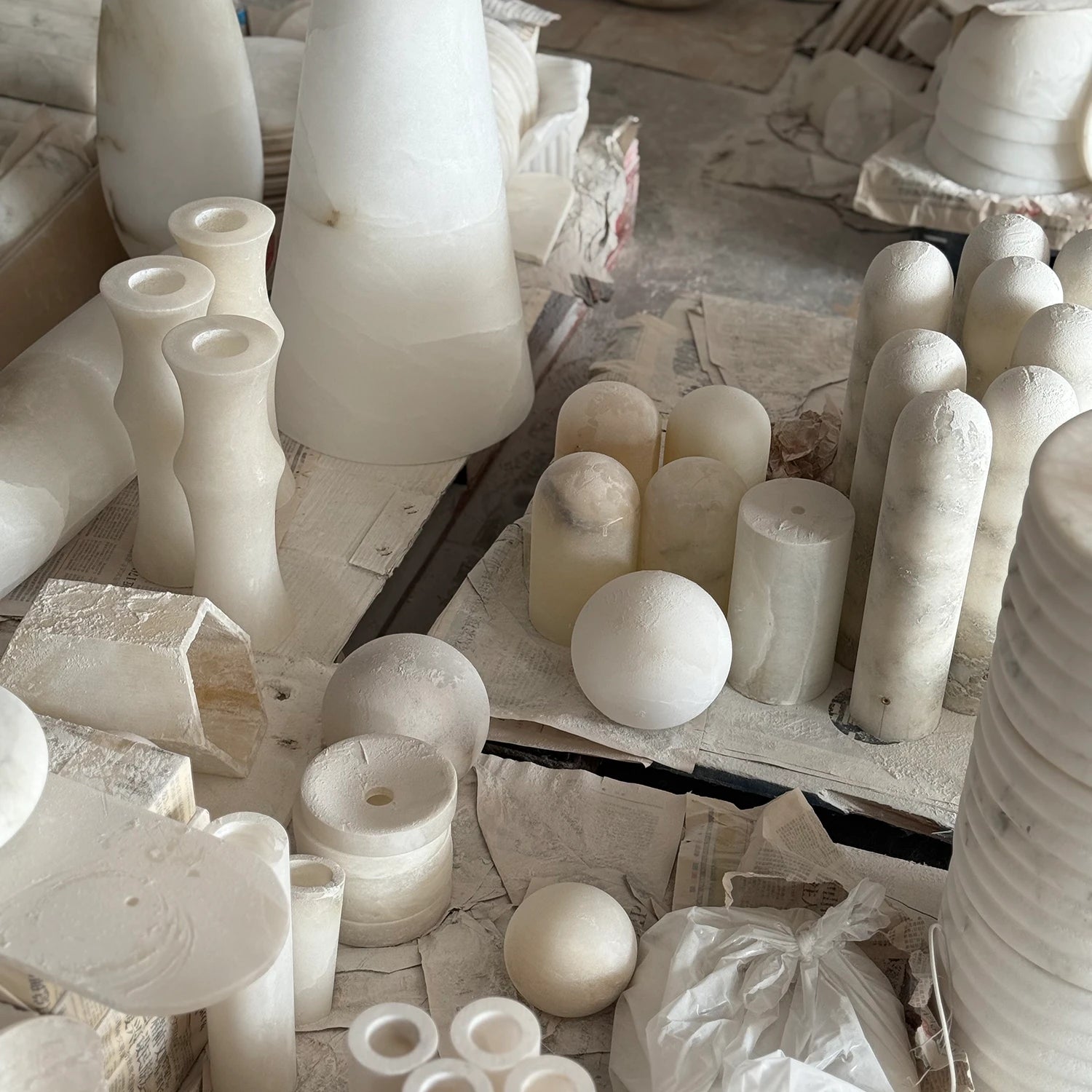
Crafted from select natural alabaster, preserving its unique veining.
Meticulously cut and shaped by artisans.
Repeatedly ground and polished for a smooth, refined texture.
Carefully assembled and quality-inspected.
Custom Stone Lighting
SHOP BY CATEGORY
Six major categories, one workshop — find the fixture that fits your room.


Our deepest Black Friday prices, on a hand-picked edit of alabaster pieces. Order discounts still apply at checkout, so the more you add, the more you save.
Free tracked US shipping30-day returnsMade to order
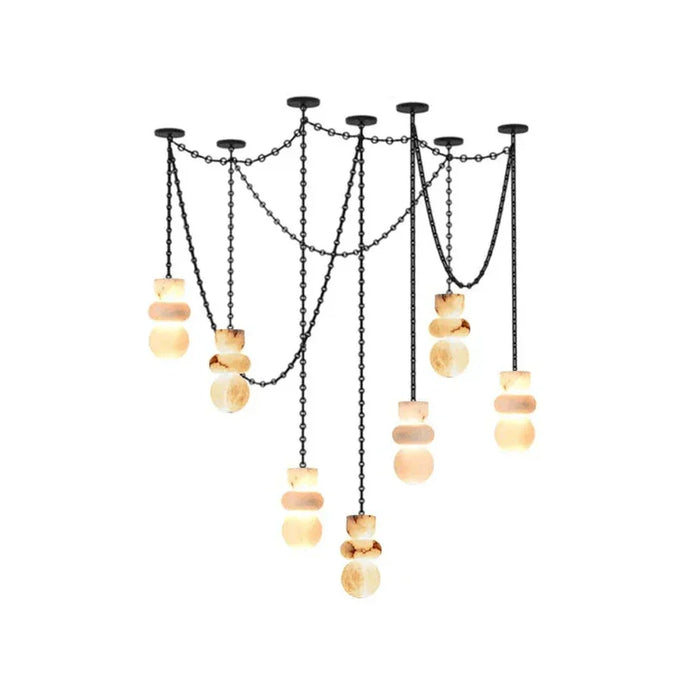 33% off
Alabaster Cylindrical Chain Chandelier
$742.00From $495.00Save $247.00
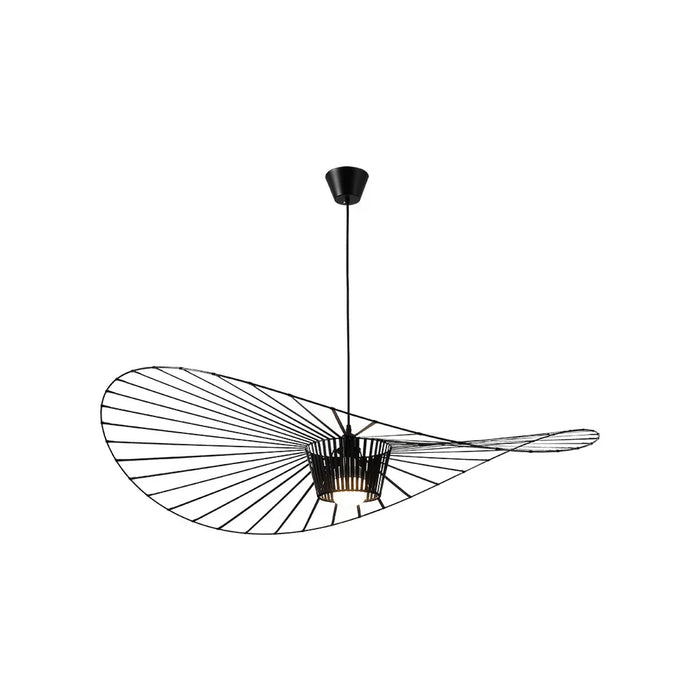 3% off
Vertigo Fiberglass Pendant Lamp
$253.00From $245.00Save $8.00
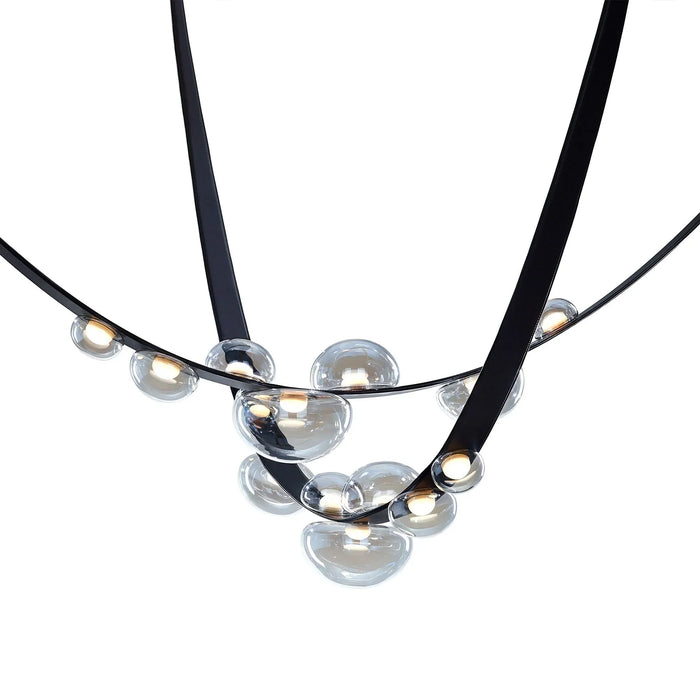 33% off
Dew Drops Pendant Lamp
$825.00From $550.00Save $275.00
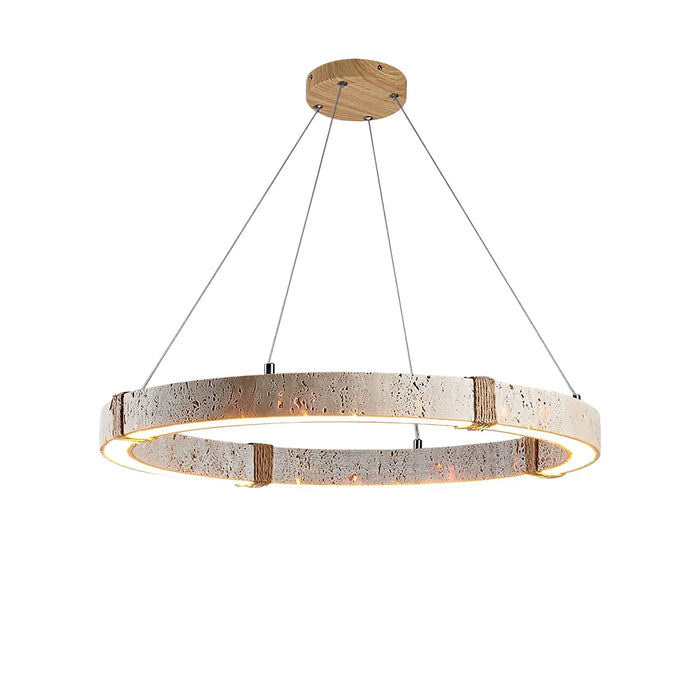 16% off
Round Travertine Ring Chandelier
$612.00From $510.00Save $102.00
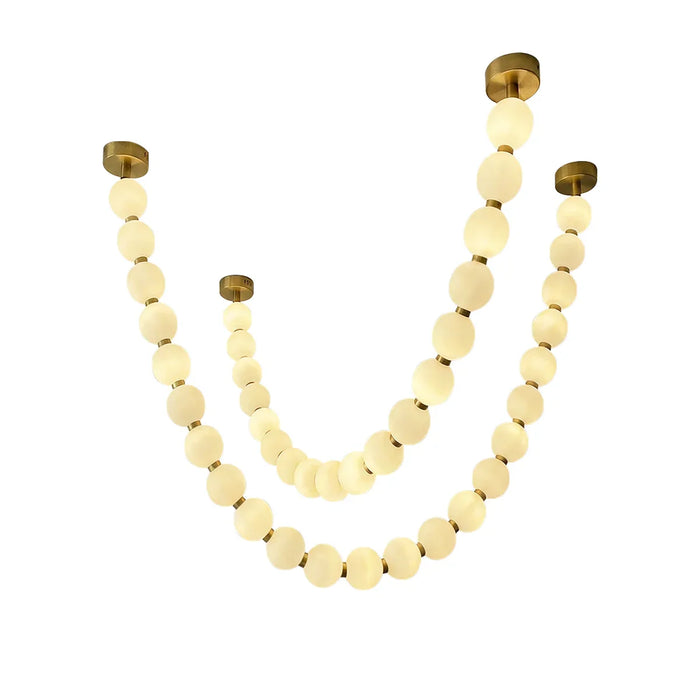 42% off
Luxurious Pearl Necklace Chandelier
$870.00From $498.00Save $372.00
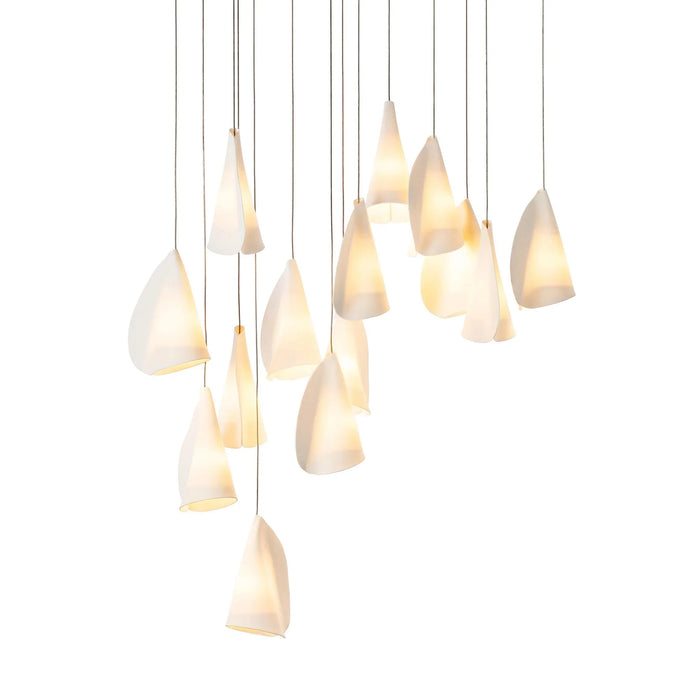 16% off
Series 21 Pendant Light Cluster
$234.00From $195.00Save $39.00
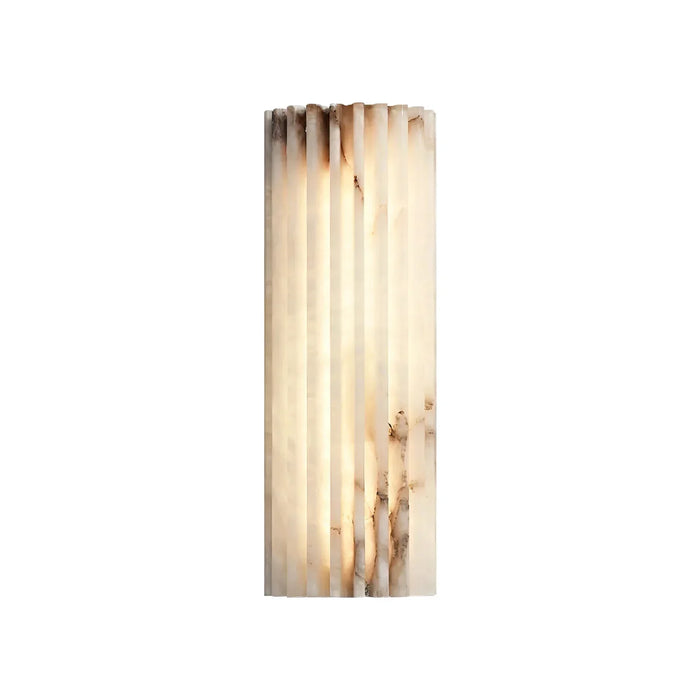 28% off
Alabaster Alvia Striped Wall Light
$973.00From $695.00Save $278.00
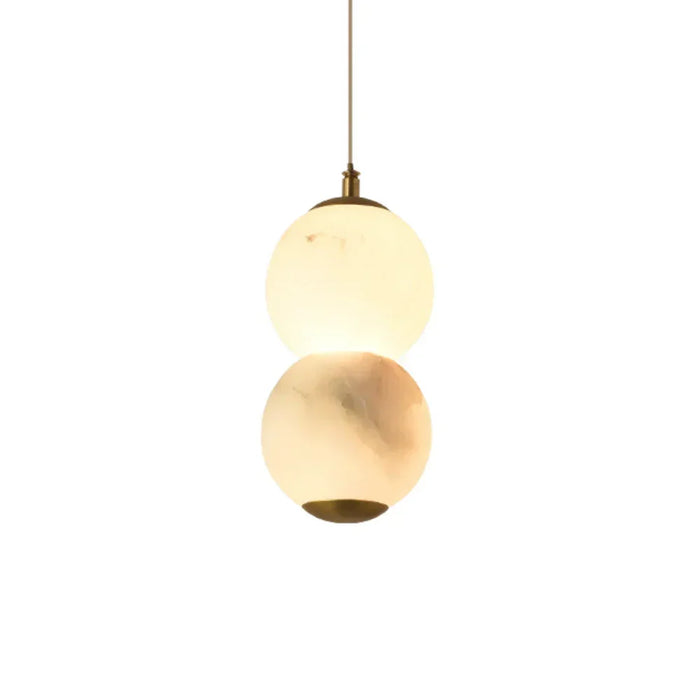 33% off
Alabaster Pearl Pendant Light
$742.00From $495.00Save $247.00
Extra savings on select lights
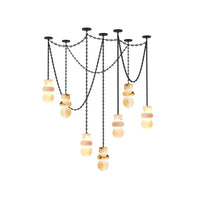 Alabaster Cylindrical Chain Chandelier
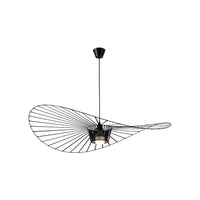 Vertigo Fiberglass Pendant Lamp
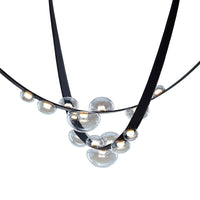 Dew Drops Pendant Lamp
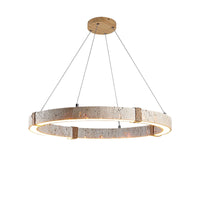 Round Travertine Ring Chandelier
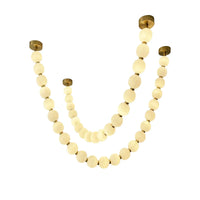 Luxurious Pearl Necklace Chandelier
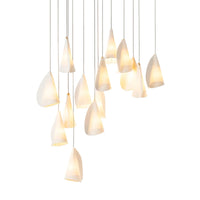 Series 21 Pendant Light Cluster
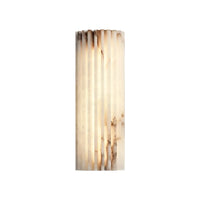 Alabaster Alvia Striped Wall Light
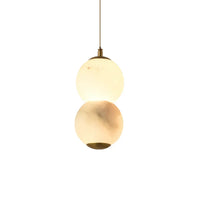 Alabaster Pearl Pendant Light
Deal prices apply to these products only and are shown at checkout.